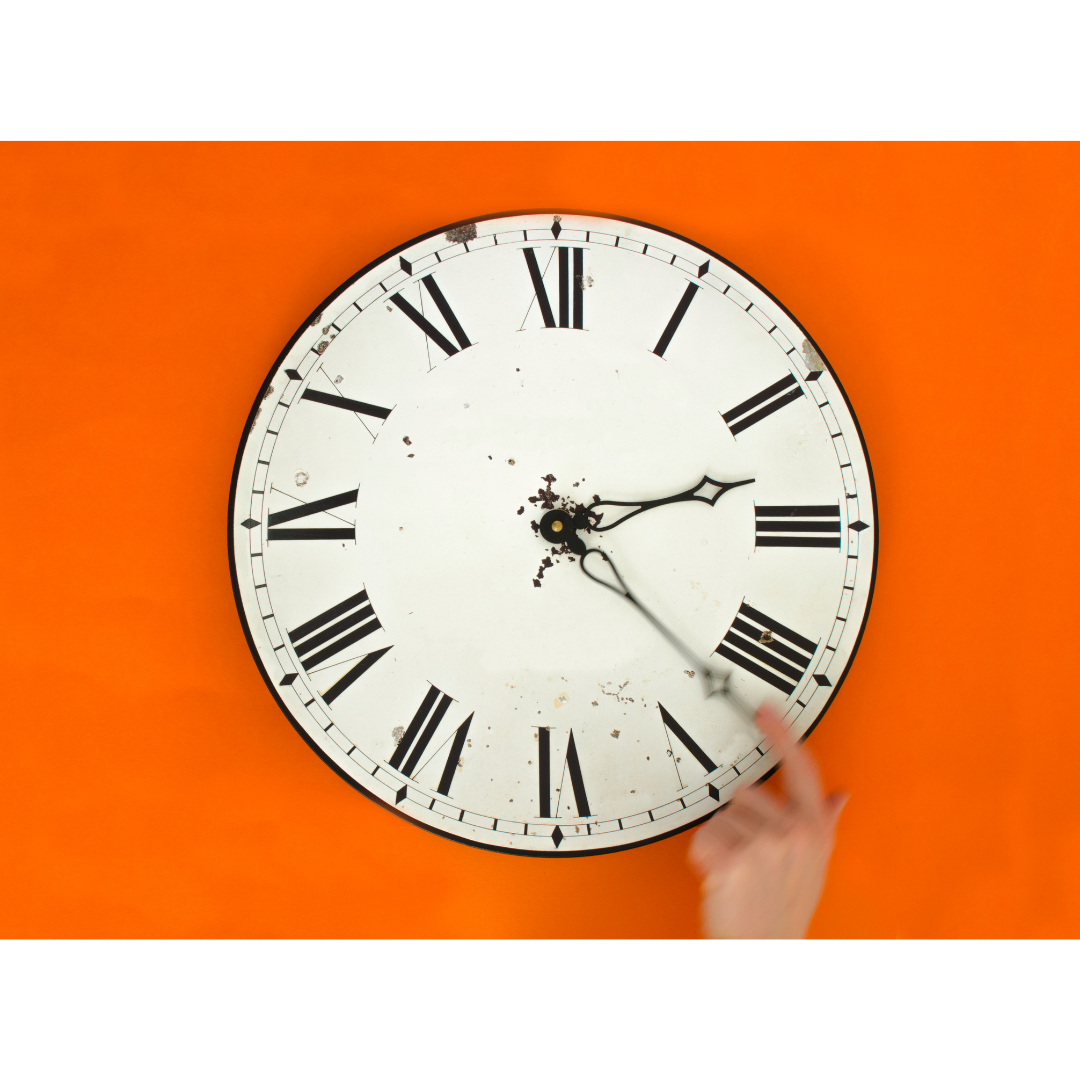
Time Change 2026: When to Adjust Your Clocks in Europe & US
The biannual ritual of adjusting our clocks, often referred to as Daylight Saving Time (DST), is a practice that continues to spark debate and mild confusion worldwide. For those wondering, "Wann wird Zeit umgestellt?" (When will the time be changed?), particularly concerning Europe and North America in 2026, this comprehensive guide provides all the essential details. From the specific dates for springing forward to understanding the historical reasons and modern controversies surrounding DST, we'll help you prepare for the upcoming clock changes.
When Do Clocks Change in Europe in 2026? (Spring Forward)
In Europe, the transition to summer time (or Daylight Saving Time) consistently occurs on the
last Sunday of March. This schedule has been uniformly observed across the European Union since 1996, aiming to simplify cross-border coordination.
For 2026, this means clocks will "spring forward" in the early hours of:
Specifically, at
2:00 AM Central European Time (CET), clocks will automatically advance to
3:00 AM Central European Summer Time (CEST). This adjustment effectively shortens the night by one hour. The immediate effect for Europeans is a later sunrise in the mornings, but also a later sunset, extending daylight into the evening hours. This aligns with the traditional goal of making better use of natural light during the warmer months. It's worth noting that the standard, "normal" time throughout the year is actually what we refer to as winter time, while summer time is the adjusted period.
Time Change 2026 in the USA and Canada: An Earlier Shift
Across the Atlantic, the schedule for Daylight Saving Time in North America differs significantly from Europe. Most states in the USA and provinces in Canada traditionally move their clocks forward much earlier in the year, on the
second Sunday of March.
Therefore, in 2026, the clocks in the majority of the United States and Canada will adjust on:
On this day, at
2:00 AM local time, clocks will jump forward to
3:00 AM local time. This means that individuals in these regions will experience the "spring forward" about three weeks earlier than their European counterparts. This difference in timing can be a crucial detail for international travelers or businesses operating across these continents.
It's important to remember that not all regions in North America observe DST. Notable exceptions include:
- Hawaii: Does not observe DST.
- Most of Arizona (with the exception of the Navajo Nation): Does not observe DST.
- Various U.S. overseas territories like Puerto Rico, the U.S. Virgin Islands, American Samoa, Guam, and the Northern Mariana Islands.
In Canada, while most provinces and territories participate, there are also some regional exceptions, such as Saskatchewan which largely maintains standard time year-round, and parts of British Columbia, Ontario, and Quebec. Similarly, many countries in the Caribbean and Central America follow a similar early-March schedule for their time changes, or do not observe DST at all.
Understanding Daylight Saving Time: History, Purpose, and Debate
The concept of Daylight Saving Time, or Sommerzeit as it's known in German, has a fascinating history. It was largely adopted in many countries during World War I and World War II as a measure to conserve energy. The idea was that by shifting daylight to the evening, people would use less artificial lighting. Germany was among the first countries to implement it in 1916 during WWI. The U.S. followed suit during both World Wars, making it a permanent federal law in 1966.
The primary reason cited for its continuation has long been energy conservation. However, this argument has been increasingly challenged in modern times. Studies on the actual energy savings from DST have yielded mixed results, with some suggesting minimal or even negative impacts as increased use of air conditioning in warmer evenings can offset lighting savings.
Beyond energy, the debate surrounding DST encompasses various other aspects:
- Economic Impact: Retailers often favor DST due to increased evening leisure time, potentially leading to more shopping or outdoor activities.
- Health and Well-being: The abrupt change, particularly the "spring forward," is often linked to disruptions in sleep patterns, leading to temporary fatigue, decreased productivity, and even an uptick in accidents in the days following the change. This phenomenon is sometimes referred to as "social jet lag."
- Safety: Proponents argue that more daylight in the evenings can reduce crime and improve road safety.
- Agriculture: Farmers historically opposed DST as it disrupts their traditional schedules, which are governed by natural daylight rather than clock time.
For a deeper dive into how DST impacts various aspects of our lives and how different devices handle the change, you might find our related article,
Spring Forward 2026: Your Guide to Clock Changes and Devices, particularly insightful.
Preparing for the Change: Devices and Personal Well-being
As 2026 approaches, preparing for the clock change doesn't have to be a hassle, thanks to modern technology. However, some items will still require manual adjustment.
Automatic vs. Manual Adjustments
- Automatically Adjusting Devices: Most smart devices connected to the internet or satellite signals will update themselves. This includes:
- Smartphones and tablets
- Laptops and desktop computers
- Smartwatches and fitness trackers
- GPS devices and modern car infotainment systems
- Smart TVs and cable/satellite boxes (if connected to network time)
- Radio-controlled (funk) clocks
These devices typically synchronize with network time servers, ensuring a seamless transition.
- Manually Adjusting Devices: You'll need to personally update these:
- Analog clocks (both mechanical and simple quartz wall clocks)
- Basic digital alarm clocks without radio or network connectivity
- Kitchen appliances (e.g., ovens, microwaves)
- Older car radios or dashboard clocks that don't sync via GPS or a cellular network
It’s a good idea to make a quick mental inventory of these devices in your home a day or two before the change.
Tips for Personal Adjustment
The loss of an hour's sleep can have a noticeable effect. To minimize disruption:
- Gradual Shift: A few days before the change, try going to bed 15-30 minutes earlier each night. This allows your body to gradually adjust.
- Maintain Routine: Stick to your regular meal times and other daily routines as much as possible to help regulate your body clock.
- Embrace Light: Expose yourself to natural light in the morning to help reset your circadian rhythm.
- Avoid Sleep Disruptors: Limit caffeine and alcohol intake, especially in the afternoon and evening, in the days leading up to and immediately after the time change.
To help remember which way the clocks go, popular mnemonics include:
- "Spring forward, Fall back": Clocks go *forward* in the spring, and *back* in the autumn.
- Think of garden furniture: In spring, you bring your garden furniture *forward* out of storage; in autumn, you put it *back* into the shed.
The Global Picture and Future of DST
While Europe and North America largely observe Daylight Saving Time, the practice is far from universal. In 2026, roughly 70 countries worldwide will still adjust their clocks. However, more than 125 states have already abandoned the practice, recognizing its diminishing returns or negative impacts. The dates and specific implementation vary wildly depending on the region and hemisphere, with countries like Bahamas, Bermuda, Haiti, Israel, Chile, New Zealand, and parts of Australia also observing DST, but often on their own unique schedules.
The European Union has been actively debating the future of DST for several years. In 2019, the European Parliament voted to end the practice, proposing that member states cease seasonal clock changes by 2021. However, the implementation of this decision has been stalled due to a lack of consensus among member states on whether to permanently adopt summer time or winter time. Similarly, in the United States, various states have passed legislation or resolutions to either make DST permanent or abolish it entirely, but federal approval is required for such changes.
This ongoing global discussion highlights a growing sentiment that the benefits of DST no longer outweigh its disruptions. The move away from seasonal time adjustments is a trend many expect to continue, driven by health concerns, inconclusive energy savings, and the complexities of international coordination. To gain a broader understanding of how different countries approach DST and the various exceptions, explore our article,
Time Change: Global Dates, Exceptions, and What You Need to Know.
Conclusion
As we look ahead to 2026, the question of "Wann wird Zeit umgestellt?" is answered with specific dates:
Sunday, March 29th for most of Europe and
Sunday, March 8th for most of the USA and Canada. While modern technology simplifies the process for many devices, a mindful approach to older gadgets and personal well-being remains important. Understanding the historical context and the ongoing global debate surrounding Daylight Saving Time provides valuable perspective on this persistent biannual ritual. Whether you're gaining or losing an hour, being informed and prepared ensures a smoother transition for everyone.